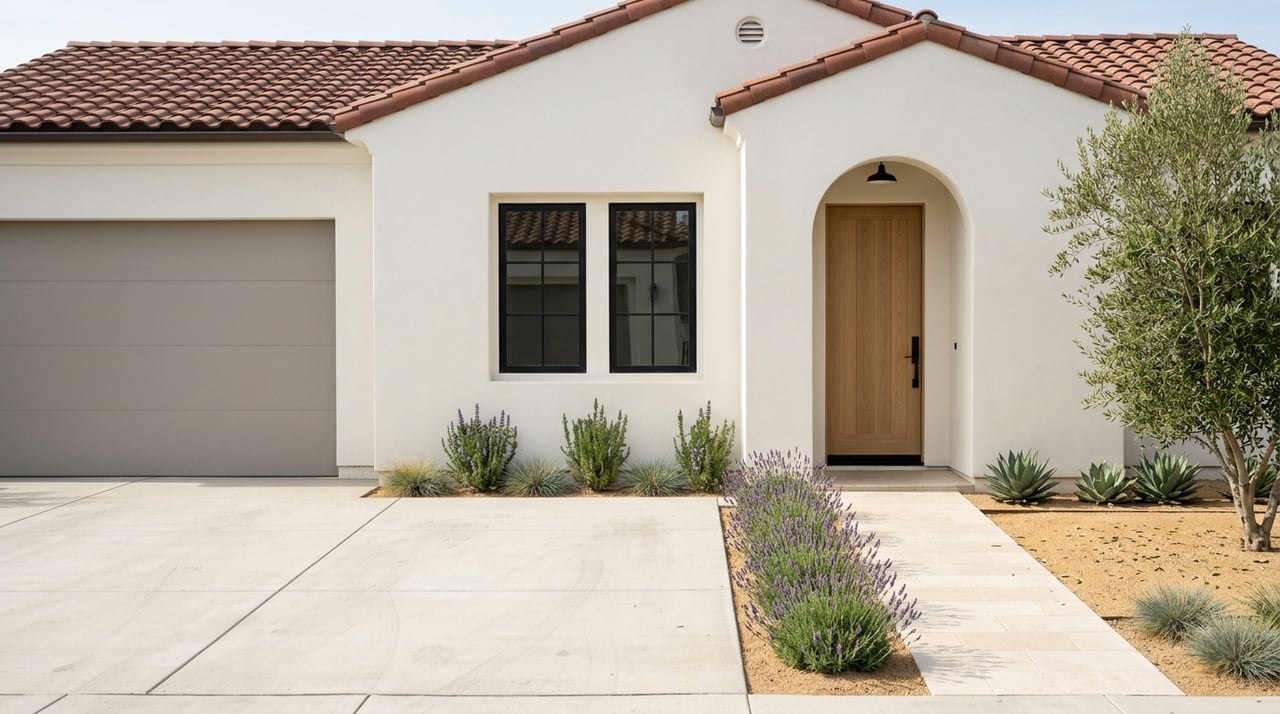
If you need to sell your Santa Maria home while buying your next one, you are not alone and you are not imagining the pressure. In a market where homes can move quickly and multiple offers are still common, the biggest challenge is not just selling or buying. It is lining up both sides without creating unnecessary risk. This guide will help you understand your main options, key timing issues, and the decisions that matter most so you can move forward with a clearer plan. Let’s dive in.
Why timing matters in Santa Maria
Santa Maria's housing market has been moving at a brisk pace. Recent market snapshots show homes selling in a matter of weeks, with signs of a competitive, seller-leaning environment. Even though different sources track slightly different numbers, the overall message is consistent: you need a plan before you list or write an offer.
That matters even more if you already own a home with a lower mortgage rate. California's rate-lock-in effect can make homeowners hesitate to move, even when they need more space, a different layout, or a new location. If you are thinking about making a move, timing both transactions together from the start can help you avoid rushed decisions.
Start with your financial picture
Before you decide whether to sell first or buy first, look at your equity, cash reserves, and monthly comfort level. The right strategy often depends less on the market headline and more on how much flexibility you have if the two closings do not line up perfectly.
California guidance also reminds buyers to plan for more than just a down payment. You may need 5 percent to 20 percent of the purchase price for the down payment, plus another 3 percent to 7 percent for closing costs. If your current home's sale proceeds are part of that plan, understanding your likely net proceeds becomes a critical first step.
Selling first: the clearest budget path
Selling first is often the simplest option if you want a firm budget before shopping for your next home. Once your home sells, you will have a clearer idea of your available proceeds, your down payment amount, and what price range feels realistic.
This approach can also reduce the risk of carrying two housing payments at once. If your top priority is staying financially conservative, selling first may give you the confidence to shop with better boundaries and fewer surprises.
When selling first makes sense
Selling first may fit you well if:
- You need proceeds from your current home to fund the next purchase
- You want to avoid overlapping mortgage, tax, insurance, or utility payments
- You prefer a clear purchase budget before making offers
- You are comfortable arranging temporary housing if needed
The main drawback of selling first
The biggest risk is simple: your home could sell before you secure the next one. In a fast-moving Santa Maria market, that can leave you looking for short-term housing or feeling pressure to buy quickly.
One way to reduce that risk is to build a written plan around your sale timeline and purchase timeline together. In California, offers can be contingent on a seller finding replacement housing within a certain time frame, which may create some breathing room when structured carefully.
Buying first: more control, more carrying risk
Buying first can appeal to homeowners who do not want to miss the right replacement property. If your next move is highly specific, such as needing a certain layout, lot size, or location, buying first may feel safer from a lifestyle standpoint.
The tradeoff is cost exposure. If your current home has not sold yet, you may face overlap in housing expenses, including mortgage payments, property taxes, insurance, utilities, and maintenance. That overlap is manageable for some households, but stressful for others.
Bridge financing and lender review
Some buyers use short-term bridge financing to help purchase a new home before the current one sells. Consumer finance guidance notes that a bridge loan may be used for a new purchase when the borrower plans to sell the current home within 12 months, but this is a lender-specific option.
If you are considering this route, compare lenders carefully and talk through the cash-flow impact with your lender or financial professional before you commit. The goal is not just getting approved. It is making sure the payment structure fits your real monthly life.
Contingent offers: the middle-ground option
A contingent offer can help you move forward on a purchase while still depending on the sale of your current home. This strategy can work well when you want to avoid overcommitting financially but still want to compete for your next home.
In California, purchase offers can include contingencies tied to financing, inspection, or a seller finding housing within a set time frame. These protections matter because an accepted offer can become a binding contract, and backing out later can affect your deposit.
Are contingent offers realistic in Santa Maria?
Yes, but they are not always the strongest offers in a seller-leaning market. When homes are getting multiple offers, sellers often prefer buyers with fewer conditions, especially buyers who are already fully preapproved or do not need to sell another home first.
That does not mean a contingent offer cannot work. It means the rest of your offer may need to be strong in other ways, such as realistic pricing, clear timing, and clean terms that make the path to closing easier for the seller.
Why contingencies still matter
In a competitive market, buyers can feel pressure to remove protections. California financial regulators warn that prequalification does not replace a financing contingency, and removing that contingency can put your deposit at risk if financing falls through.
Inspection contingencies are important too. Homebuyer guidance recommends scheduling the inspection as soon as possible, and if your contract is contingent on a satisfactory inspection, you may be able to cancel without penalty if major issues are uncovered.
Build one shared timeline
The biggest mistake move-up homeowners make is treating the sale and purchase like two separate projects. In reality, both transactions should be planned as one connected timeline.
Your purchase contract will typically set the price, deposit, closing date, inspections, disclosure requirements, and fees. Your sale has its own deadlines too. When both sides are moving at once, even a small delay in one escrow can affect the other.
Timing points to watch closely
Focus on these planning milestones early:
- Listing preparation and market launch timing
- Preapproval timing, since many letters expire in 30 to 60 days
- Offer deadlines and response windows
- Inspection scheduling right after contract acceptance
- Appraisal timing and any repair issues tied to value
- Escrow closing dates for both transactions
- Possible overlap costs if one closing happens before the other
Get preapproved at the right time
Preapproval is important, but timing matters. If you do it too early, the letter may expire before you are ready to write an offer. If you wait too long, you may discover credit, income, or documentation issues when you are already under pressure.
Consumer guidance notes that a preapproval letter is tentative and does not guarantee the loan. It also recommends comparing multiple lenders and reviewing official Loan Estimates before choosing one. California's DFPI also advises buyers to compare both online and brick-and-mortar lenders and verify that their mortgage professional is properly licensed.
Prepare for disclosures early
If you are selling a Santa Maria home, disclosure prep should not be left to the last minute. California sellers generally need to provide the statutory transfer disclosure and related hazard disclosures covering the property's condition and known issues.
California law also requires natural hazard disclosures when a property falls within mapped flood, fire, earthquake, seismic, or wildland-fire zones. Getting organized early can help you avoid delays once your home is under contract.
Know the updated buyer representation rule
If you are buying your next home in California, there is another planning item to keep in mind. California guidance says a buyer's agent must have a signed buyer-broker representation agreement no later than the execution of the buyer's offer.
For move-up buyers, that means your working relationship, scope of service, and compensation terms may need to be settled before you submit an offer. It is one more reason to plan the buy side early instead of waiting until your home is already in escrow.
A simple way to choose your strategy
If you are trying to decide what path fits best, use this quick framework:
- Sell first if you want the clearest budget and lowest carrying risk
- Buy first if securing the right next home matters more than short-term cost overlap
- Use a contingent offer if you need flexibility and want to protect your finances while still moving forward
The best answer usually comes down to four things: your available equity, your cash reserves, your tolerance for risk, and how urgently you need the replacement home. In Santa Maria's current market, making that decision early can save you a lot of stress later.
If you are thinking about making a move on the Central Coast, a well-built plan can make the process feel far more manageable. Jada Davis Realty offers boutique, hands-on guidance to help you map out your sale, your purchase, and the timeline between them with clear communication every step of the way.
FAQs
How much equity do you need to sell a Santa Maria home and buy another one?
- The answer depends on your down payment goal, closing costs, and whether you need sale proceeds to fund the purchase. California guidance says buyers typically need 5 percent to 20 percent down plus 3 percent to 7 percent for closing costs.
Can you make a contingent offer when buying a home in Santa Maria?
- Yes, but in a competitive market a contingent offer may be less attractive to sellers than a cleaner offer. Strong pricing, clear terms, and solid preparation can help, but contingencies should be reviewed carefully with your agent and lender.
What happens if your Santa Maria home sells before you find the next one?
- You may need temporary housing, a negotiated housing timeline, or another short-term plan while you continue your home search. This is why the sale timeline and purchase timeline should be planned together from the beginning.
How long does a mortgage preapproval last when buying your next home in California?
- A preapproval letter is often valid for about 30 to 60 days, depending on the lender. It is tentative, so buyers should compare lenders early and be ready to refresh documents if their search takes longer.
What costs can overlap when selling one home and buying another?
- If the closings do not line up, you could carry overlapping mortgage payments, property taxes, insurance, utilities, and maintenance costs. That cash-flow impact is one of the most important factors to review before deciding whether to buy first or sell first.